
Environmental
pollution
is the presence of harmful components (whether chemical, physical or
biological) in the environment (natural and artificial environment), which are
detrimental to living beings that inhabit it, including human beings.
Environmental pollution is mainly caused by causes derived from human activity,
such as the emission into the atmosphere of greenhouse gases or the excessive
exploitation of natural resources.
/waterpollution-ae2932fd024e4e768be14c95c5caa57c.jpg)
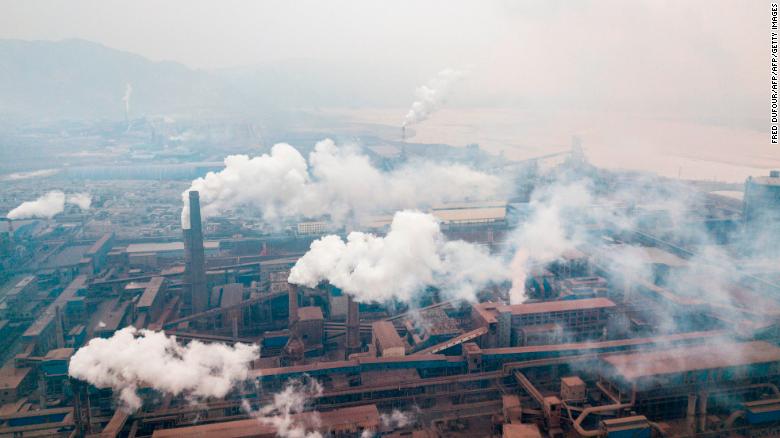
AIR POLLUTION: It is the type of pollution that occurs as a result of the
emission of smoke from industries, factories, as well as fossil fuels
discharged from cars.
SOIL POLLUTION:
It occurs when a group of foreign substances, such as solid waste; Toxic and various chemicals
cause an
imbalance.

ACOUSTIC POLLUTION:
It is the pollution
generated by excessive sound; taking place especially in those open places
where the volume of the sound, exceeds the distances in all its dimensions.

The causes of environmental pollution:
Excessive logging.
CONSEQUENCES OF ENVIRONMENTAL POLLUTION
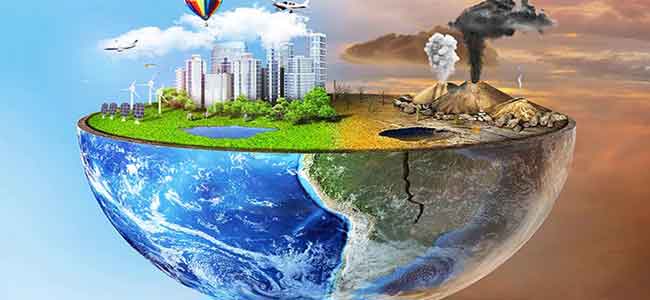
One of the main consequences of environmental
pollution is global warming, also known as climate change, whereby the
temperature of the planet is increasing progressively, both the atmospheric
temperature and that of seas and oceans.
Environmental
pollution
is the presence of harmful components (whether chemical, physical or
biological) in the environment (natural and artificial environment), which are
detrimental to living beings that inhabit it, including human beings.
Environmental pollution is mainly caused by causes derived from human activity,
such as the emission into the atmosphere of greenhouse gases or the excessive
exploitation of natural resources.
WATER POLLUTION: It occurs when it is
integrated into water; foreign components, such as microorganisms, chemical
waste, industrial waste.
AIR POLLUTION: It is the type of pollution that occurs as a result of the
emission of smoke from industries, factories, as well as fossil fuels
discharged from cars.
SOIL POLLUTION:
cause an
imbalance.
ACOUSTIC POLLUTION:
It is the pollution
generated by excessive sound; taking place especially in those open places
where the volume of the sound, exceeds the distances in all its dimensions.
The causes of environmental pollution:
Excessive logging.
Emissions and industrial discharges into the
atmosphere and the hydrosphere.
Extraction, processing and refining of fossil
fuels (oil, coal and natural gas).
Energy production with fossil fuels and other
non-renewable sources.
Excessive use of cars and other means of
transport powered by gasoline or diesel.
Indiscriminate use of plastics and other
petroleum-derived materials.
Release of plastics and non-biodegradable
objects in natural spaces.
CONSEQUENCES OF ENVIRONMENTAL POLLUTION
One of the main consequences of environmental
pollution is global warming, also known as climate change, whereby the
temperature of the planet is increasing progressively, both the atmospheric
temperature and that of seas and oceans.
Environmental pollution poses a risk to the health of living things that inhabit contaminated ecosystems, including humans. In addition, indiscriminate logging, excessive exploitation of natural resources and the emission of pollutants into the environment (gases into the atmosphere, discharges into aquatic environments, solid waste) causes the destruction of ecosystems.
Environmental pollution poses a risk to the health of living things that inhabit contaminated ecosystems, including humans. In addition, indiscriminate logging, excessive exploitation of natural resources and the emission of pollutants into the environment (gases into the atmosphere, discharges into aquatic environments, solid waste) causes the destruction of ecosystems.
Comentarios
Publicar un comentario